Interior Design Studio

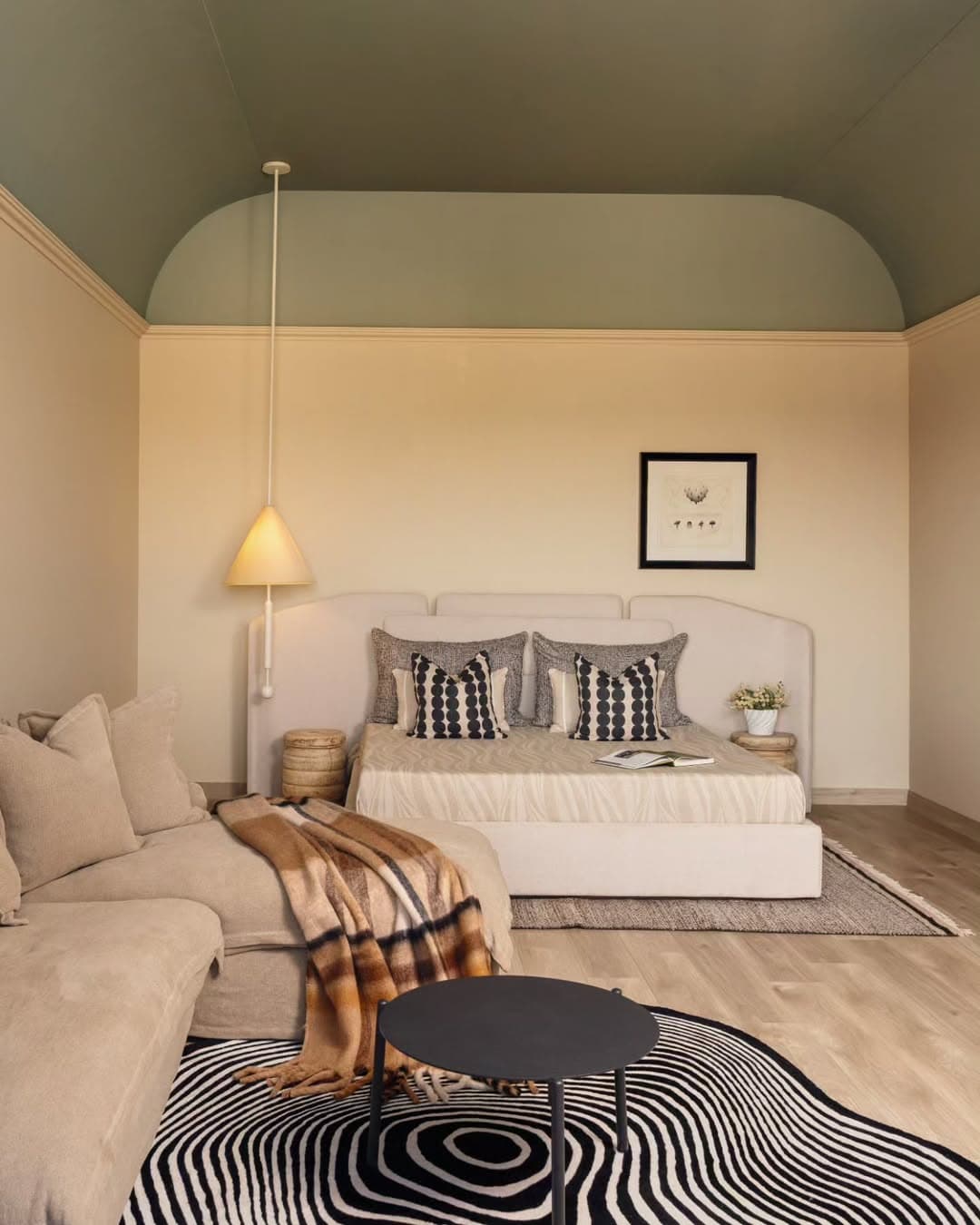
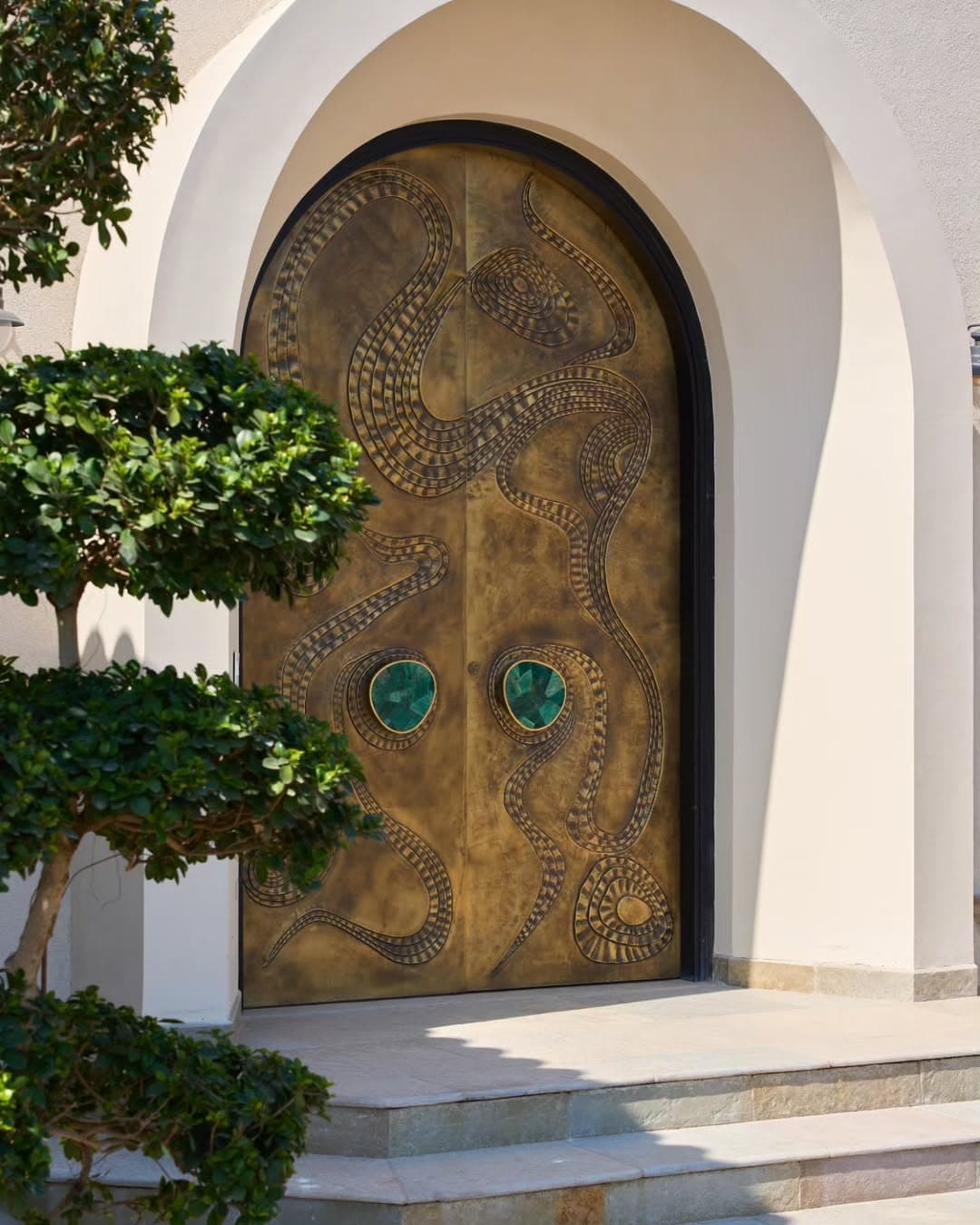
Villa Collagio, designed by Stories with AD, is a 15,000 sq. ft. private farmhouse in Chandigarh set within a 1.25-acre landscape — imagined as a seamless dialogue between architecture, nature, and the family who inhabits it. Conceived by Aarti Dhariwal, the home is approached as one continuous canvas rather than a series of isolated rooms, where openness and intimacy, tradition and modernity, and permanence and fluidity find a quiet balance. Natural light, layered textures, and curated art shape an atmosphere that shifts gently through the day, making the house feel alive — never static, always evolving in mood. Captured by Rohit Mendiratta (@thematterstudio_).
View on InstagramFrom the very first conversation, it was clear that Villa Collagio would resist the conventional logic of rooms. Aarti Dhariwal conceived the home not as a sequence of contained spaces but as a single, unfolding narrative — where one room flows effortlessly into the next without losing its own sense of identity. This philosophy shaped every decision, from the placement of arches and thresholds to the way furniture anchors or releases a space. The result is a home that rewards slow movement through it, revealing new details and moods at every turn while maintaining an underlying coherence throughout.
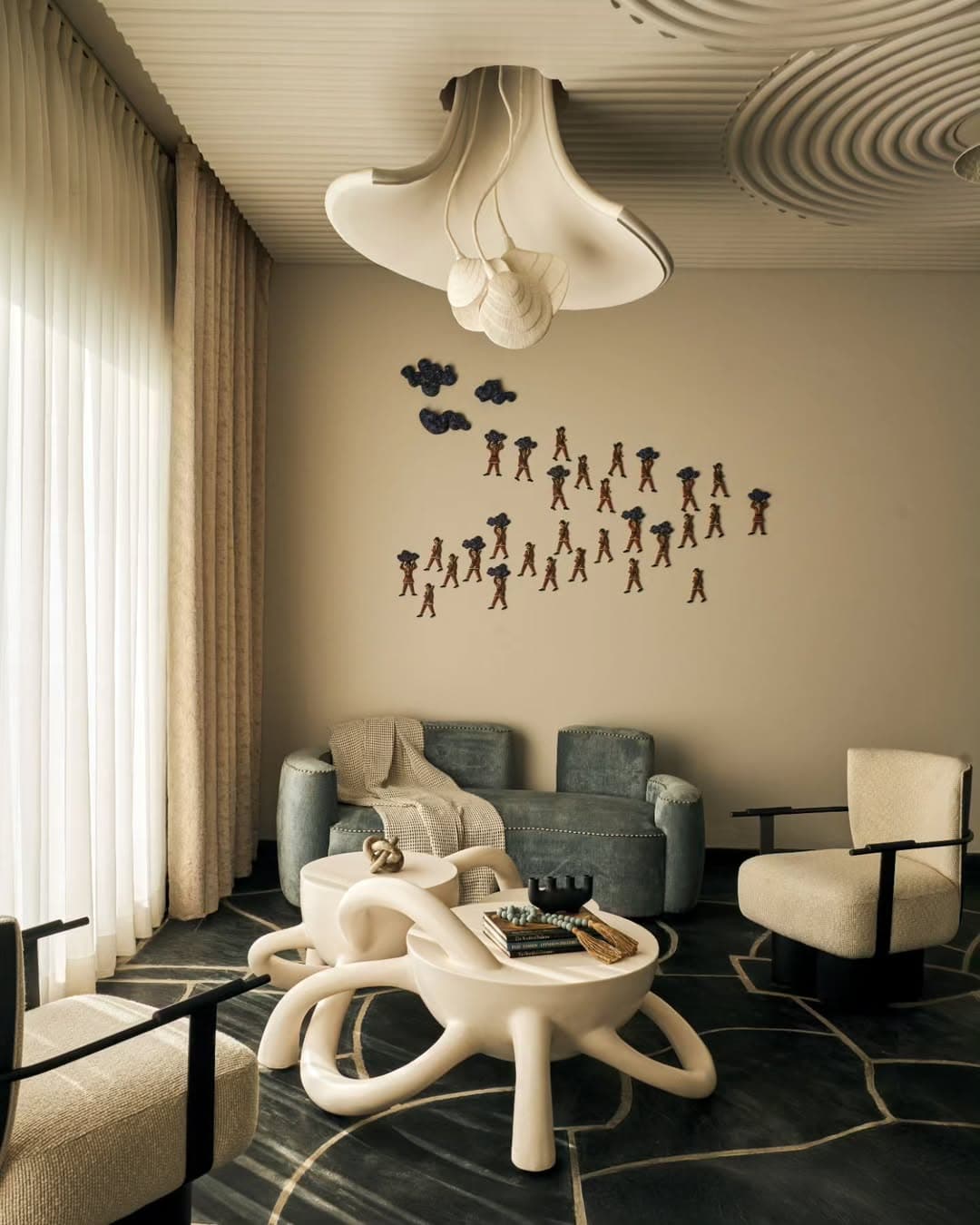
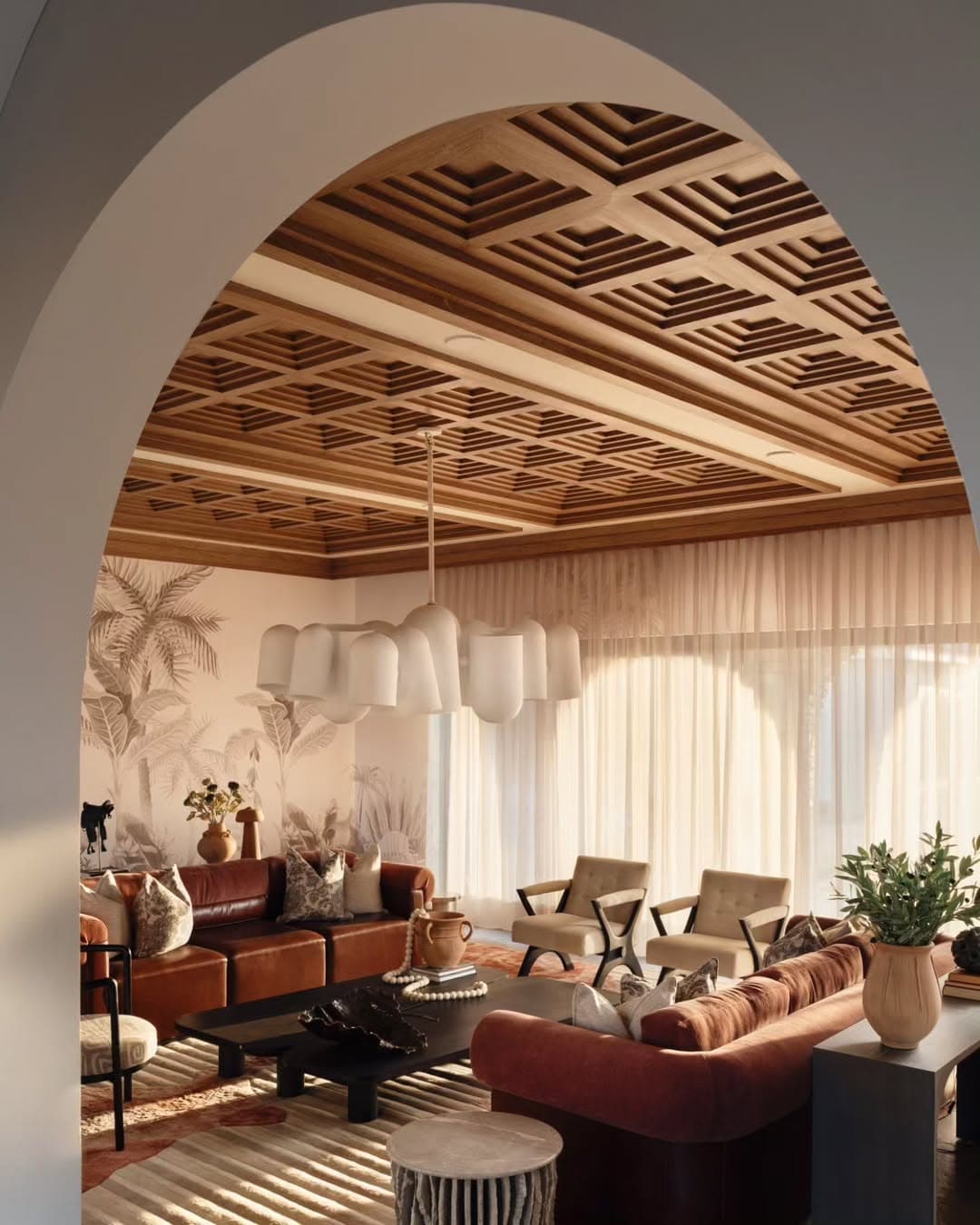
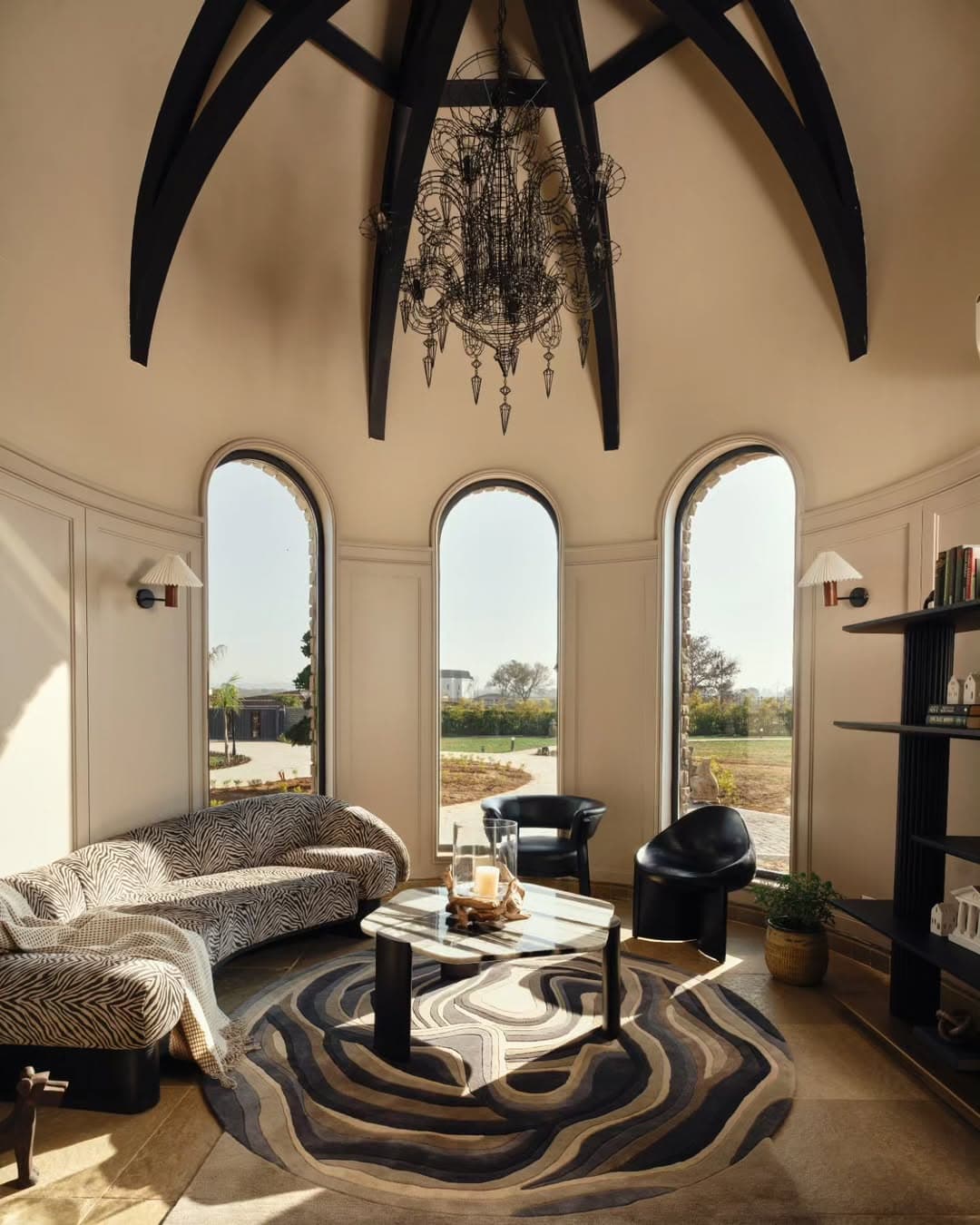
Natural light is treated as a primary material at Villa Collagio. Large arched openings, carefully oriented windows, and double-height volumes allow daylight to travel deep into the interiors, casting gentle shadows that shift with the hour. This constant, quiet animation means the house never looks the same twice. Layered textures — handcrafted tiles, natural stones, linen upholstery, and carved woodwork — catch and hold this light differently across the day, lending warmth and depth to every surface. Curated art, placed with intentionality rather than abundance, punctuates the calm palette and gives each room a distinct emotional character.
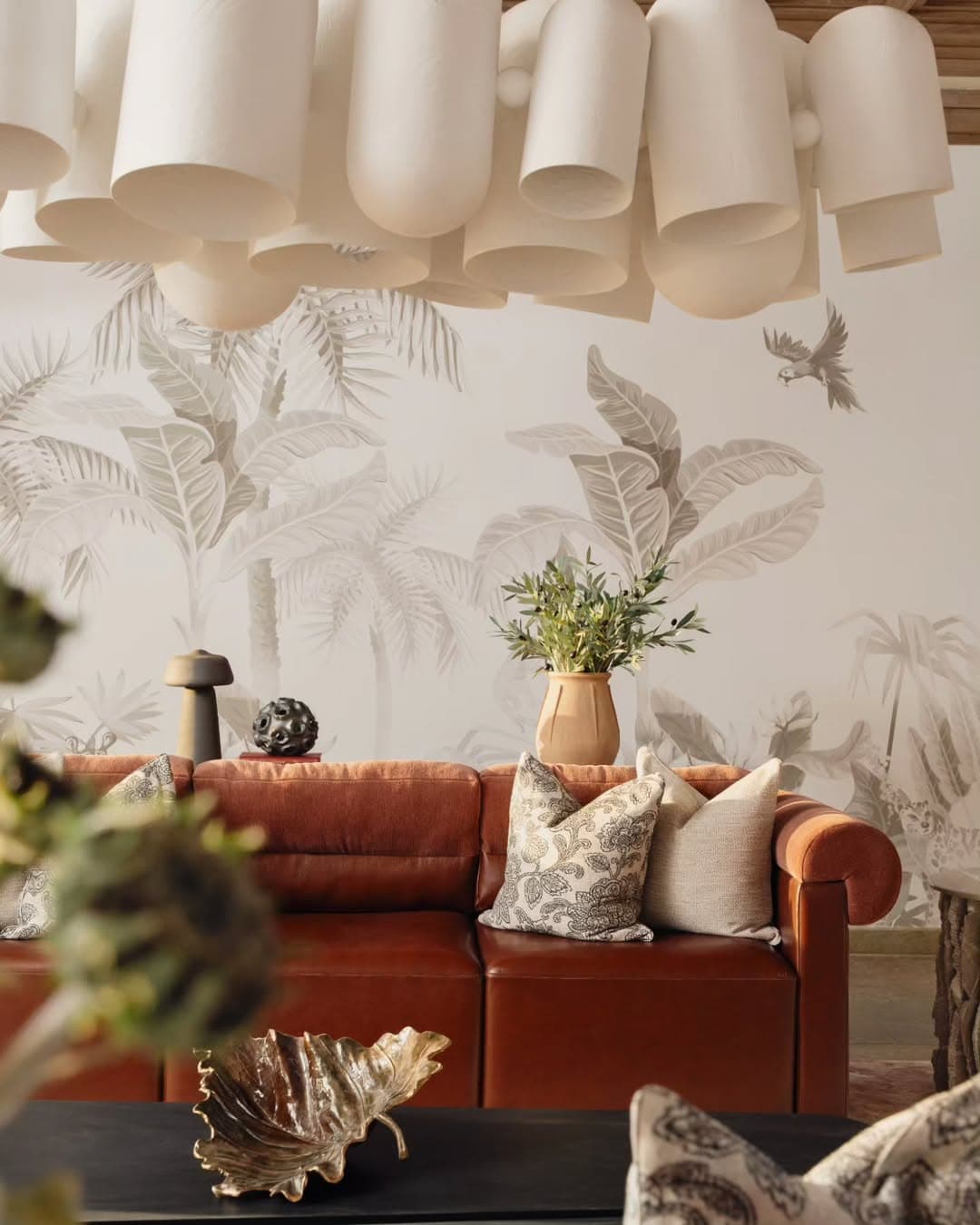
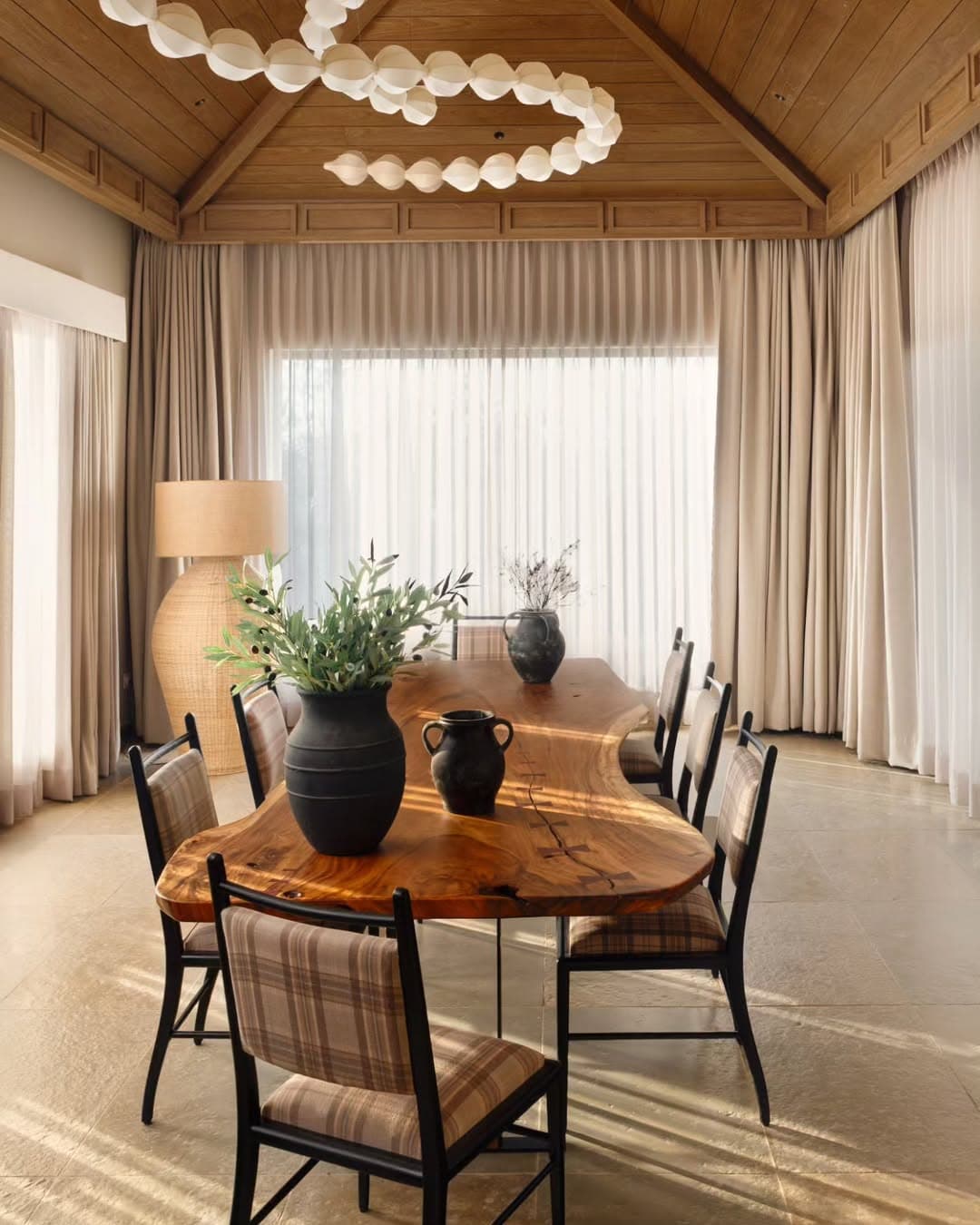
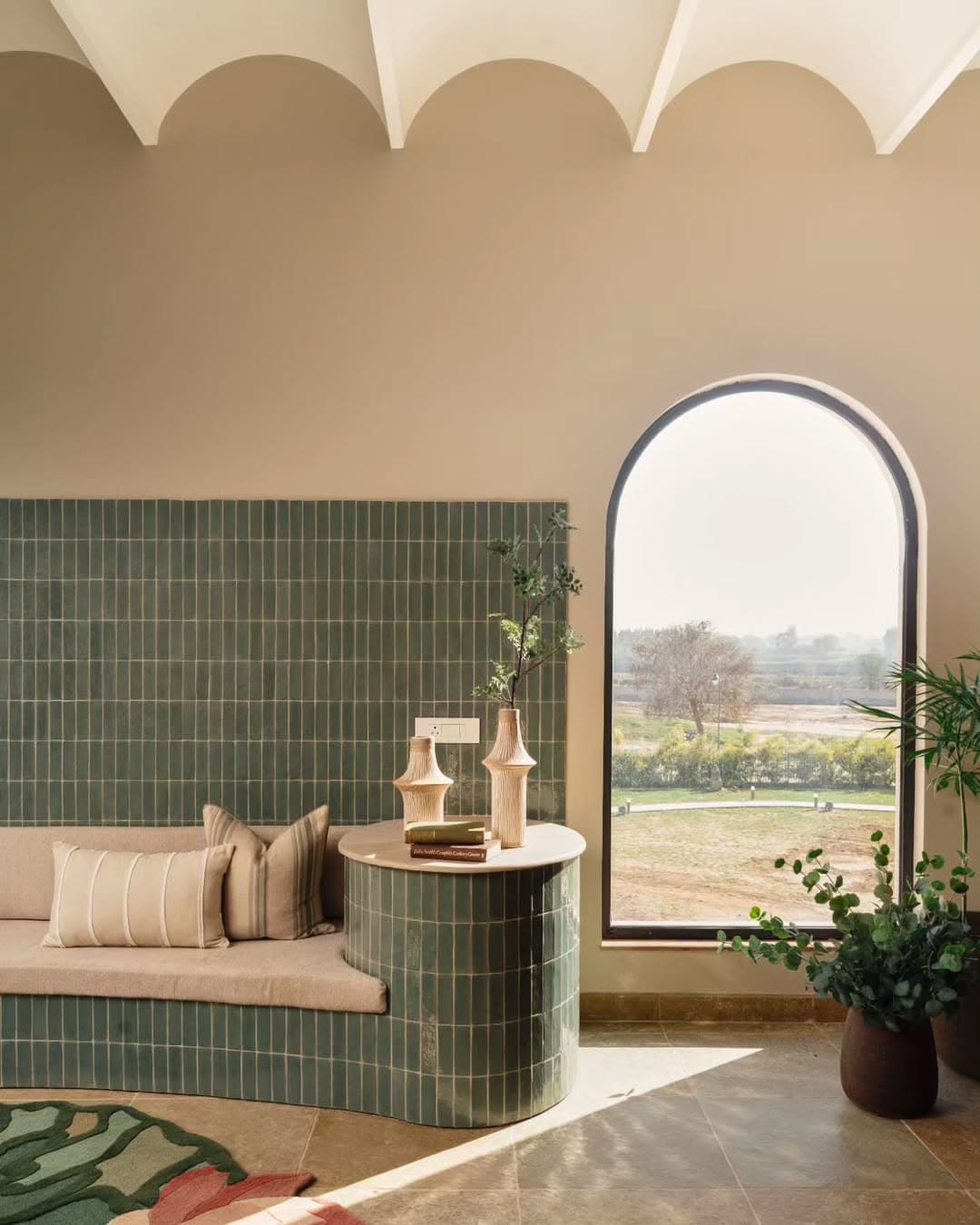
At Villa Collagio, the outdoors is not treated as a separate realm. The 1.25-acre landscape is drawn inward through material choices, colour references, and open sightlines that blur the boundary between inside and out. Earthy greens, warm stones, and organic forms echo the surrounding farmland, while expansive glazing and shaded verandas create transitional zones that belong equally to both worlds. "We wanted the house to breathe," says Aarti Dhariwal. "The landscape isn't a backdrop — it's part of the interior experience." The result is a pervasive sense of belonging, a feeling that the house has grown from its site rather than been placed upon it.
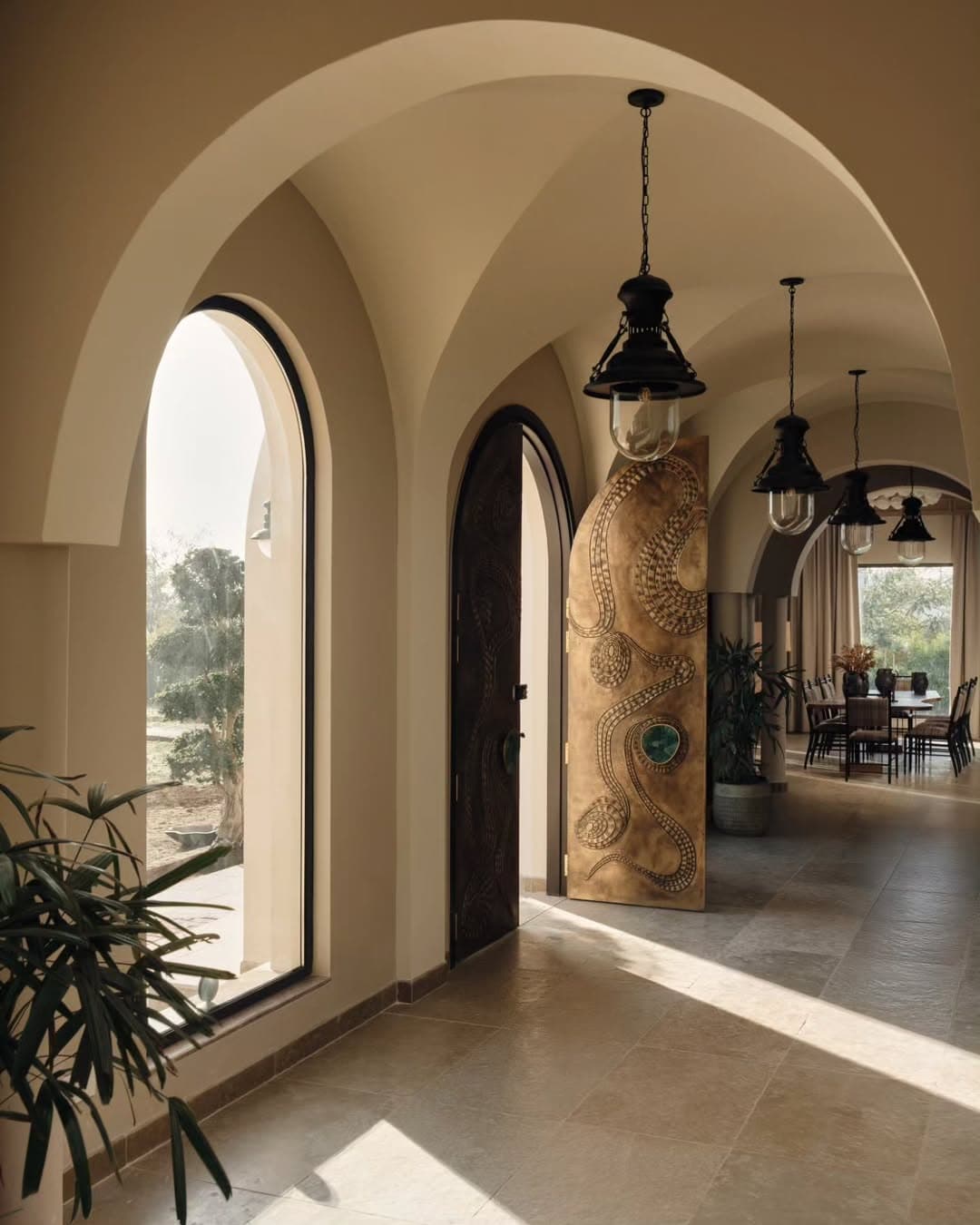
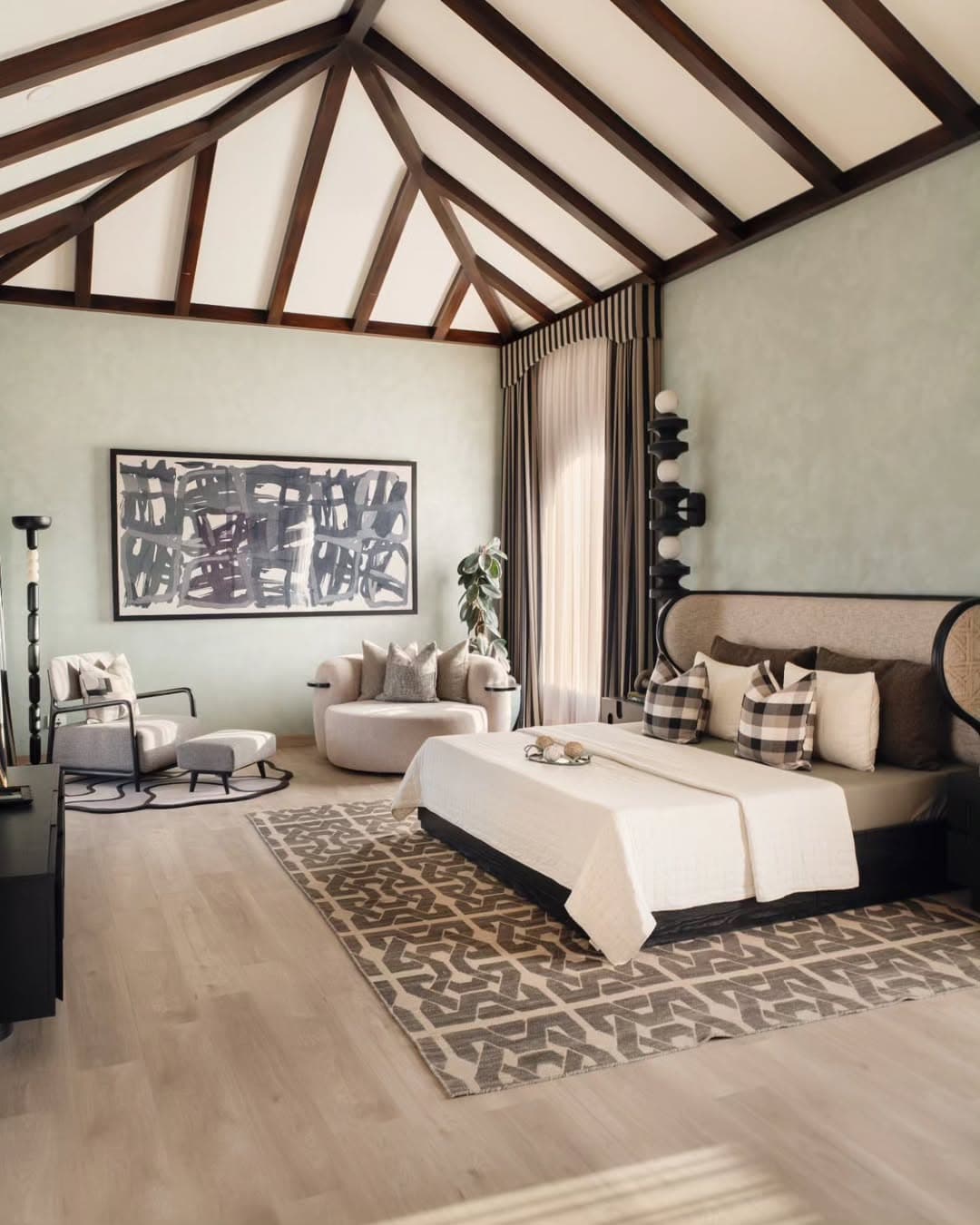
What distinguishes Villa Collagio most is its overall coherence — the way materials, forms, and gestures echo across the home to build a unified narrative while still leaving room for discovery. A motif introduced in one room resurfaces, transformed, in the next. The sculptural staircase with its stone inlay and Tuscan-style wooden arches sets a language that reappears in the lobby's hand-crafted tile bench, the arched bar ceiling, and the crescent-shaped walls of the lounge. This disciplined consistency prevents the home from feeling decorative or arbitrary, grounding every design decision in a clear and shared intent.
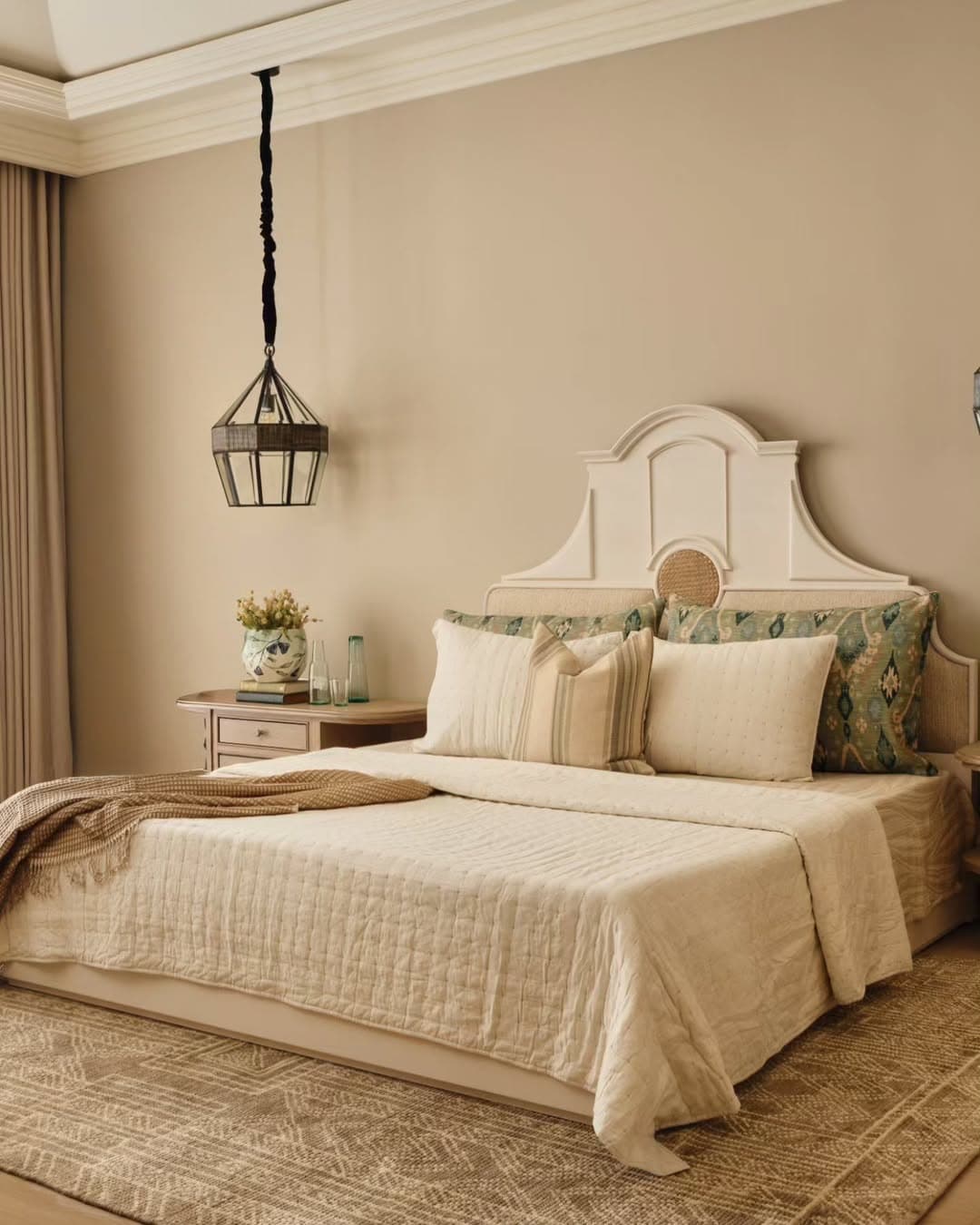
Villa Collagio reads less like a showcase and more like a lived story — timeless, personal, and rooted in place. Designed to grow with the family that inhabits it, the home holds space for memory without sentimentality. The neutral base palette allows accumulated objects, art, and life to layer in over time without disrupting the whole. "This wasn't meant to be a perfect house," reflects Aarti Dhariwal. "It was meant to be a true one." Presented at FOAID India, Villa Collagio stands as a testament to narrative-driven design — where architecture, craft, and the rhythms of daily life converge into something that feels less designed than discovered.